

Art is eternal, but life is short.
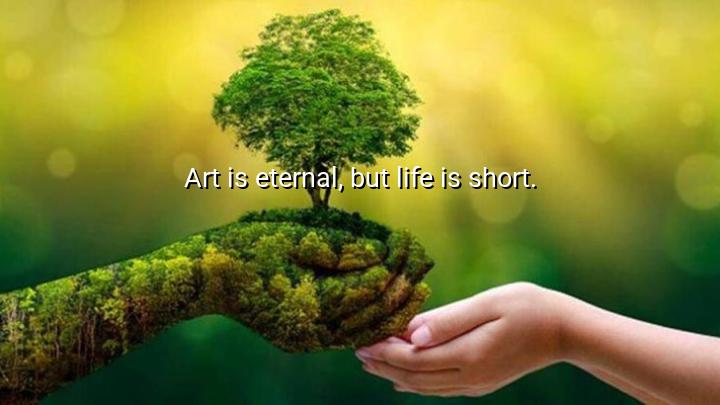




In this quote, Evelyn de Morgan contrasts the eternity of art with the brevity of life. She suggests that while human life is limited and fleeting, art has the power to transcend time. Art can endure long after the artist has passed, serving as a lasting testament to their creativity, thoughts, and emotions. This idea reflects the belief that through art, individuals can achieve a form of immortality, preserving their vision for future generations to experience and interpret.
De Morgan’s statement underscores the timelessness of art. Whether it’s a painting, a piece of music, or a work of literature, art can continue to resonate and influence people for centuries, long beyond the lifespan of the artist. In contrast, life is finite, and the experiences and achievements of an individual can often be forgotten or lost over time. Through this lens, art becomes a way to capture the essence of life, preserving it in a form that transcends the limitations of human existence.
The quote also reflects the tension between the transitory nature of life and the permanent impact of creative work. While people may only have a short time on earth, art allows them to leave behind something of value that can be passed down through generations. In this way, art becomes a way to defy the fleeting nature of human existence, offering a form of legacy that outlives the individual.
Ultimately, de Morgan’s quote celebrates the enduring power of art, highlighting how it can outlast the ephemeral nature of life. It serves as a reminder that while our time on earth is limited, the creations we make—if meaningful and impactful—can endure and continue to affect others long after we are gone. Art, in this sense, offers a way to immortalize human experience and creativity.

PMPham My
Do you think the idea that 'art is eternal' still holds in a digital age? With trends moving so fast and digital works sometimes disappearing in an instant, does modern art have the same permanence it once did? Or are we shifting away from eternal works and more toward fleeting, momentary expressions that reflect how fast life moves now?
TKPham Tuan Kiet
This quote makes me think about urgency. If life is short and art is long, shouldn’t we be encouraging people to create without fear, hesitation, or delay? But then again, not everyone has the time, resources, or privilege to focus on art. Is that a societal failure? Should we be doing more to support people in expressing themselves creatively before their time runs out?
HTHoang tran
It’s fascinating to consider how many artists only gained recognition after death. If art lasts but life doesn’t, is it fair that so many creators never see the impact of their work? Does that make the act of creation selfless, or does it expose the cruel irony of legacy—where value is sometimes only found too late? I wonder how that shapes an artist’s motivation.
TVTran Thi Thanh Vy
I wonder—does this idea suggest that art gives meaning to life, or that life is validated through the art it inspires? If art is eternal, does that make it more important than the everyday experiences that shape it? I struggle with whether artistic contribution is the ultimate achievement or if simply living well should be enough. Do we have to 'produce' something to justify our short time here?
STNgo Son Tung
There’s something both comforting and sad about this. It’s beautiful to think that art can transcend our short time on Earth, but it also makes me question how much of our lives we spend trying to be remembered. Should the goal of creating be immortality, or is that just our fear of being forgotten? What’s the right balance between presence and permanence?