

What good is sitting all alone in your room?
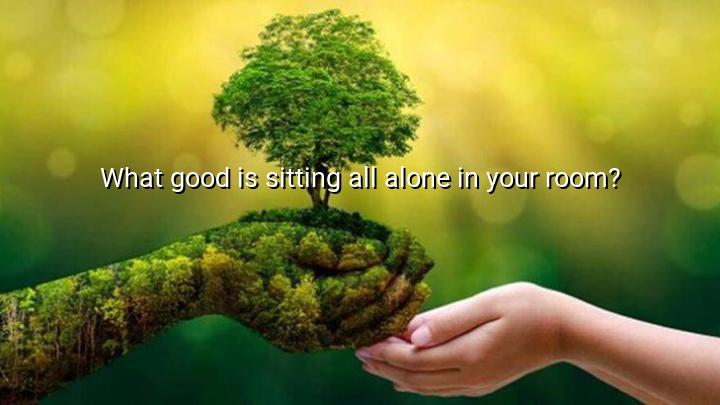




The quote "What good is sitting all alone in your room?" by Liza Minnelli expresses the idea that isolation and solitude can feel unfulfilling or lacking in purpose. Minnelli is questioning the value of being alone without engaging with the world or connecting with others. The sentiment reflects a longing for connection and a sense of belonging, suggesting that simply being by oneself can lead to feelings of emptiness if there is no meaningful interaction or activity.
This quote is often associated with the song "Maybe This Time" from the musical Cabaret, in which Minnelli's character, Sally Bowles, expresses similar themes of yearning for something more than her current isolated existence. The line captures Sally's internal conflict—her desire to escape the isolation of her room and immerse herself in the excitement and fulfillment that life, and relationships, can offer. It reflects the human need for companionship and the idea that personal growth and joy are often found in connection with others.
Minnelli’s words also point to the importance of engagement with the world around us. Sitting alone in a room, disconnected from life, can create a sense of stagnation. In contrast, actively participating in life, seeking new experiences, and fostering relationships bring fulfillment and purpose. This idea resonates with the universal desire to experience life fully and to be part of a larger, more dynamic world.
The origin of this quote comes from Liza Minnelli, an American actress and singer, best known for her iconic role as Sally Bowles in Cabaret. The quote captures her character's struggle with loneliness and her desire for a more meaningful existence, which Minnelli brought to life with great emotional depth in her performance. It has since become a reflection of the broader human experience of seeking purpose and connection in a sometimes isolating world.

TSTWICE Scientists
I wonder if this quote also touches on the idea of purpose—does sitting alone feel pointless without meaningful activities or goals? How can we transform ‘sitting alone’ into something valuable? Is it about mindset, intention, or simply finding the right balance between solitude and social engagement to enrich our lives?
DLDucem Lee
This makes me think about how social expectations shape our view of alone time. Are people who enjoy solitude seen as anti-social or less fulfilled? Could Minnelli be highlighting a societal bias that undervalues quiet moments? How can we create a culture that respects both social connection and the need for peaceful alone time?
TNTo thi ngan
The question feels a bit provocative—does sitting alone always mean wasted time? What about those who find joy in solitary hobbies like reading, writing, or meditation? How do we differentiate between lonely isolation and intentional solitude? Could Minnelli’s statement be interpreted differently depending on one’s emotional or social needs at a given moment?
VVvy vute
Reading this, I’m curious about how modern lifestyles influence our tolerance for being alone. With constant connectivity and social media, is sitting alone becoming more uncomfortable or rare? Does this constant need for engagement diminish our ability to enjoy solitude? Or could Minnelli be emphasizing the importance of actively seeking out community to avoid stagnation?
DDDung Dang
This quote makes me wonder if the value of being alone depends on the person’s mindset. For some, solitude can be peaceful and rejuvenating, but for others, it might feel isolating or meaningless. How much does one’s attitude towards being alone affect their mental health? Are we culturally conditioned to fear solitude, or is it a natural human need to be around others?