

The Environmental Protection Agency's first-ever limits on carbon pollution from power plants will create clean- energy jobs, improve public health, bring greater reliability to our electric power grid, bolster our national security, demonstrate the United States' resolve to combat climate change and maybe even reduce our utility bills.
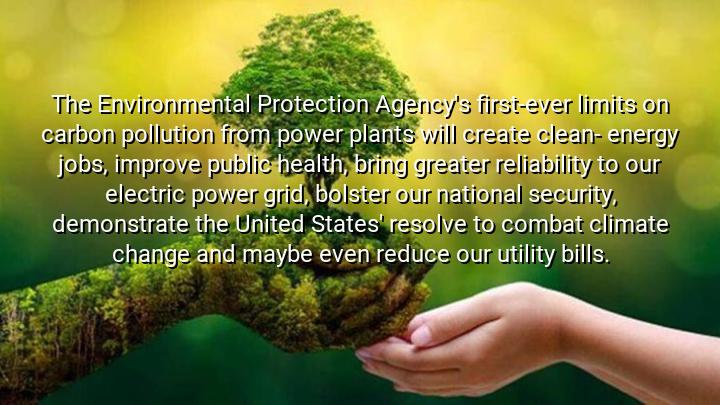




This quote by Martin Luther King III, “The Environmental Protection Agency's first-ever limits on carbon pollution from power plants will create clean-energy jobs, improve public health, bring greater reliability to our electric power grid, bolster our national security, demonstrate the United States' resolve to combat climate change and maybe even reduce our utility bills,” underscores the broad-reaching benefits of environmental regulation. King highlights how setting limits on carbon pollution, a major contributor to climate change, can trigger positive outcomes not only for the environment but also for the economy, health, and national infrastructure.
By connecting clean-energy jobs and public health with environmental policy, King makes the case that addressing climate change is not just a moral obligation, but also a practical strategy for economic growth and social well-being. He emphasizes that reducing carbon emissions can strengthen the electric power grid and enhance national security, pointing out the vulnerability of traditional energy systems and the global implications of energy dependence.
As the son of Dr. Martin Luther King Jr., Martin Luther King III has continued his father’s legacy by advocating for social justice, civil rights, and increasingly, environmental justice. This quote likely comes from a statement or public address in support of the EPA’s Clean Power Plan, introduced during the Obama administration, which sought to limit carbon emissions from power plants for the first time in U.S. history. His perspective aligns climate action with the broader fight for equity and dignity for all communities, especially those most affected by pollution.
Ultimately, King’s quote is a call to view climate policy not as a burden, but as a multi-dimensional opportunity. It reframes environmental reform as a pathway to a healthier, safer, and more equitable society. His words remind us that climate justice is deeply tied to human justice, and that visionary leadership in this area can yield benefits across many sectors of American life.

AAdministratorAdministrator
Welcome, honored guests. Please leave a comment, we will respond soon