

Cultural change always precedes political change.
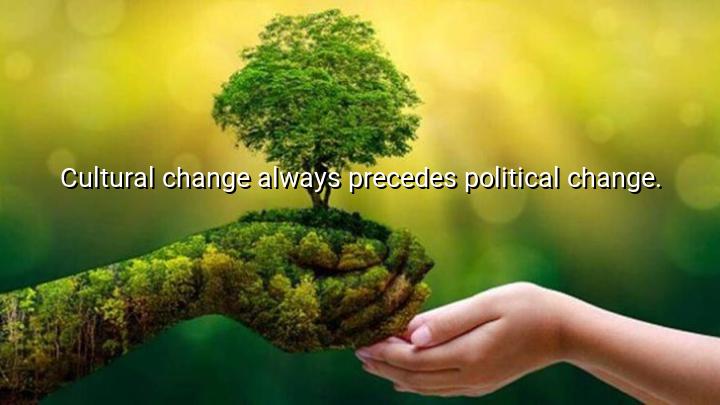




The quote “Cultural change always precedes political change” by Tessa Thompson reflects a profound understanding of how societies evolve over time. At its core, it suggests that shifts in collective values, attitudes, and norms—in other words, culture—lay the groundwork for transformations in political systems and policy decisions. Before laws are rewritten or institutions reformed, there must first be a broader societal awakening that demands such change.
This idea is supported by numerous historical movements. For example, the civil rights movement in the United States began with changes in public consciousness through music, art, and protest long before major legislative reforms like the Civil Rights Act were passed. Similarly, the rise of feminism, LGBTQ+ rights, or environmental activism often started as cultural conversations that challenged dominant narratives, later culminating in political action.
Tessa Thompson, as an actor and advocate, is deeply engaged in storytelling and representation—two powerful tools of cultural influence. Her quote implies that by reshaping the stories we tell about ourselves and each other, we shift the boundaries of what is politically imaginable or acceptable. Media, art, fashion, and dialogue play a pivotal role in normalizing new ideas and marginalizing outdated ones.
Thus, cultural change acts as both the spark and foundation for political change. It softens resistance, builds consensus, and generates momentum. Without this cultural shift, political change risks being superficial or unsustainable—mere legislation without transformation in the hearts and minds of the people.

AAdministratorAdministrator
Welcome, honored guests. Please leave a comment, we will respond soon