

Grace in women has more effect than beauty.
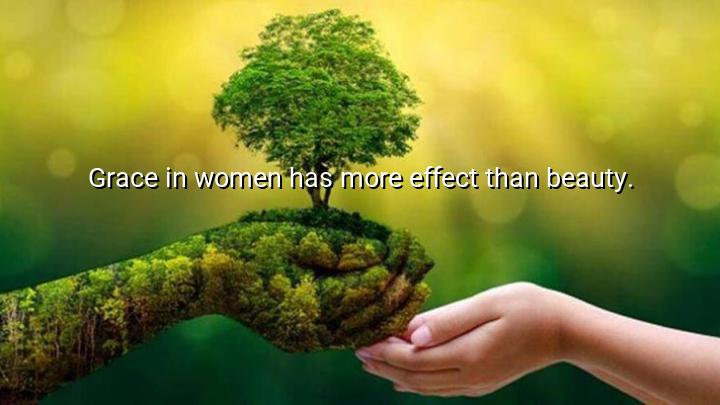




The quote by William Hazlitt suggests that grace—a combination of elegance, kindness, and inner poise—holds more value and influence than beauty in women. Hazlitt is making the point that while beauty can capture attention, it is grace that leaves a lasting impression and has a deeper, more meaningful impact on those around her. Grace involves a sense of dignity and charm that transcends physical appearance, affecting relationships and interactions in ways that external beauty cannot.
Hazlitt’s statement reflects the idea that inner qualities, such as kindness, confidence, and humility, often carry more weight than the superficial aspects of a person’s appearance. These inner attributes contribute to a woman's character and how she influences others, suggesting that grace has the power to inspire and connect with people on a much deeper level than mere physical attraction.
Moreover, this quote aligns with the notion that beauty can be fleeting or subjective, whereas grace is timeless and enduring. While beauty may fade with time, grace, grounded in a person’s behavior and attitude, can grow stronger and more admired as they mature. It encourages the recognition of a woman's full humanity and worth, which goes beyond external standards of beauty to encompass her soul and character.
Originating from William Hazlitt, an English essayist, philosopher, and critic, the quote reflects his broader views on the importance of inner virtues over outward appearances. Hazlitt, known for his sharp intellect and exploration of human nature, often focused on the deeper aspects of personal qualities, and in this case, he advocates for valuing grace as the most compelling attribute a woman can possess.

AAdministratorAdministrator
Welcome, honored guests. Please leave a comment, we will respond soon