

Words are all we have.
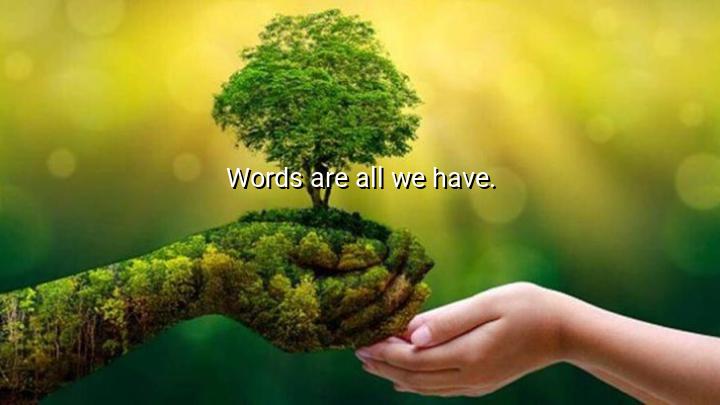




The quote “Words are all we have.” by Samuel Beckett expresses a profound view on the limitations and power of language. Beckett, an Irish playwright, novelist, and poet, is best known for his existential works such as Waiting for Godot. His writing often delves into themes of meaninglessness, human suffering, and the struggle to communicate in an absurd world. This quote reflects his belief that despite the imperfection of language, it remains our primary tool for expression and connection.
By stating that words are all we have, Beckett underscores the fragile yet central role of language in human existence. In a world filled with uncertainty, isolation, and often silence—common themes in his work—words become the only available means to seek understanding, convey thought, or share experience. However flawed or inadequate they may be, they are what we rely on to make sense of ourselves and our surroundings.
This quote resonates deeply within the context of existential philosophy. Beckett, influenced by thinkers like Jean-Paul Sartre and Albert Camus, often portrayed life as devoid of inherent meaning, yet still filled with a persistent need to communicate and connect. The statement is both resigned and reverent—acknowledging that while words may fall short, they are the only tools we possess in the face of isolation and ambiguity.
Ultimately, Beckett’s quote is a meditation on human vulnerability and creative resilience. In literature, relationships, and thought, language serves as both our burden and our salvation. Even when silence looms large, as it often does in Beckett’s plays, the impulse to speak—even imperfectly—remains a defining part of what it means to be human.

AAdministratorAdministrator
Welcome, honored guests. Please leave a comment, we will respond soon