

How can people change their minds about us if they don't know who we are?
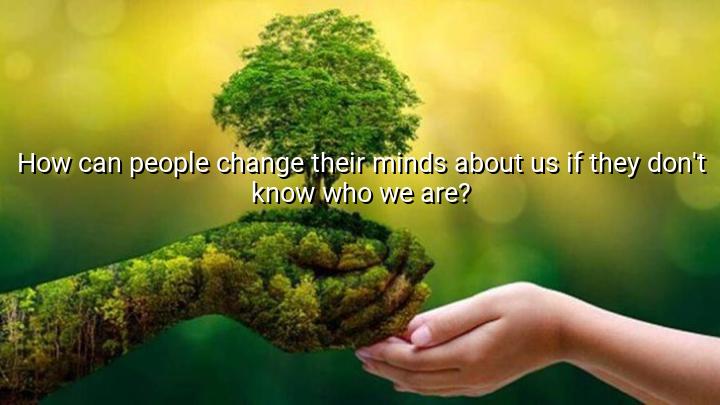




The quote "How can people change their minds about us if they don't know who we are?" is attributed to Harvey Milk, one of the first openly gay elected officials in the United States and a prominent figure in the LGBTQ+ rights movement. This statement reflects Milk’s deep belief in the power of visibility, representation, and personal storytelling as essential tools for achieving social change. At a time when LGBTQ+ individuals were widely marginalized and misunderstood, Milk recognized that ignorance and prejudice often stemmed from lack of exposure.
At the core of this quote is the idea that human connection breaks down stereotypes. Milk urged people in the LGBTQ+ community to come out not just as a political act, but as a deeply personal one that fosters empathy and understanding. He believed that when others could see LGBTQ+ individuals as neighbors, family members, co-workers, and friends, they would be more likely to question their biases and evolve their beliefs.
This approach was revolutionary during the 1970s, when being openly gay often meant facing discrimination, violence, or exclusion. Milk’s quote became a rallying cry for visibility, reminding activists that changing hearts and minds begins with sharing authentic stories. His political and social strategy was grounded in the idea that progress is made not only through legislation, but also through personal courage and public presence.
Ultimately, Harvey Milk’s quote continues to resonate as a timeless message about the importance of visibility and dialogue in the fight for equality. It highlights the need for marginalized groups to be seen and heard in order to challenge misconceptions and inspire change. His legacy reminds us that real progress begins when people take the brave step of showing the world who they truly are.

AAdministratorAdministrator
Welcome, honored guests. Please leave a comment, we will respond soon