

We know that childhood and adolescence are the most crucial times for environmental stimuli to affect breast cancer risk, but changes made during adulthood and even after diagnosis still have the potential to create positive changes in the body.
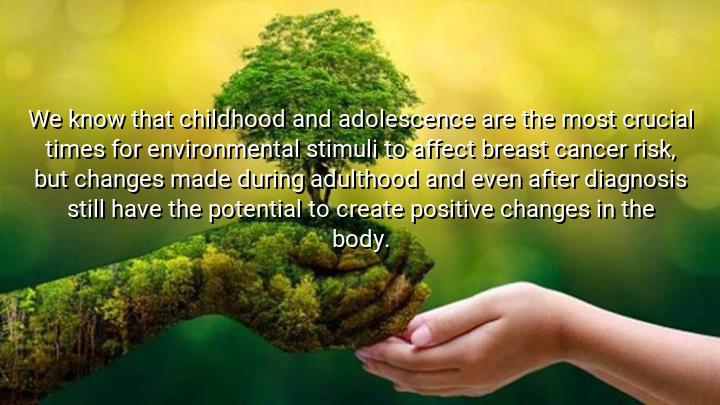




In this quote, Joel Fuhrman is highlighting the significant role that environmental stimuli play in influencing the risk of breast cancer, particularly during childhood and adolescence, which he identifies as the most crucial periods for such influences. Fuhrman emphasizes that while early life exposure to environmental factors can increase or decrease the risk of developing breast cancer later in life, it is not too late to make changes. Even during adulthood or after a diagnosis, taking proactive steps can still lead to positive changes in the body that can improve health outcomes.
Fuhrman’s statement suggests that breast cancer risk is influenced by a combination of factors, including genetics, lifestyle choices, and environmental exposures, such as diet, toxins, and physical activity. He focuses on the plasticity of the human body—its ability to adapt and respond to positive interventions, even later in life. This is an encouraging message, indicating that individuals have the power to make lifestyle changes that can help mitigate the risks associated with breast cancer, regardless of age or stage of disease.
The origin of this quote lies in Fuhrman’s work as a nutritionist and health advocate, particularly his research into the preventive aspects of nutrition and lifestyle in relation to various health conditions, including cancer. Fuhrman has been a prominent voice in advocating for plant-based diets and other health-promoting habits as ways to prevent and combat disease, including breast cancer. His statement aligns with his broader philosophy that dietary changes and healthy living are critical tools in reducing disease risk.
Ultimately, Fuhrman’s quote emphasizes the importance of taking action at any stage of life, particularly when it comes to reducing the risk of breast cancer. His focus on preventive measures during childhood and adolescence, coupled with the idea that positive changes can still be made in adulthood, offers hope and encouragement for individuals seeking to improve their health through lifestyle and dietary interventions.

AAdministratorAdministrator
Welcome, honored guests. Please leave a comment, we will respond soon