

True knowledge lies in knowing how to live.
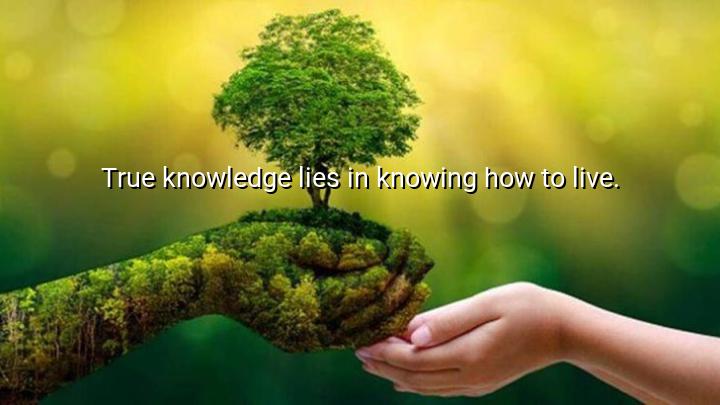




The quote “True knowledge lies in knowing how to live.” is attributed to Baltasar Gracián, the Spanish Jesuit priest, philosopher, and writer of the 17th century. At its core, the statement emphasizes that the highest form of knowledge is not abstract theory or scholarly learning, but practical wisdom—understanding how to live well. Gracián suggests that the purpose of knowledge is not simply to accumulate facts, but to apply insight in a way that leads to a meaningful, virtuous, and fulfilled life.
The origin of this idea is tied to Gracián’s most famous work, “The Art of Worldly Wisdom” (Oráculo manual y arte de prudencia), a collection of maxims and aphorisms on ethics, prudence, and human behavior. Written during Spain’s Golden Age, the text provided guidance on navigating the complexities of social and political life. For Gracián, wisdom was deeply practical—helping people make good choices, balance ambition with morality, and cultivate a life of integrity. His quote reflects this belief that the true measure of knowledge lies in its ability to improve how we live.
The meaning of the quote highlights the distinction between intellectual learning and practical wisdom. A person may be highly educated and knowledgeable, yet still fail at living a balanced or virtuous life. Conversely, someone who understands how to live with prudence, compassion, and purpose embodies the essence of true knowledge. Gracián elevates the art of living as the ultimate goal of learning.
Ultimately, Gracián’s reflection is timeless in its relevance. It reminds us that knowledge without application is incomplete, and that the greatest test of wisdom is not found in books or theories but in daily actions and choices. By asserting that true knowledge lies in knowing how to live, he points us toward a philosophy of life that blends intellect with ethics, practicality, and human flourishing.

AAdministratorAdministrator
Welcome, honored guests. Please leave a comment, we will respond soon