

The absence of flaw in beauty is itself a flaw.
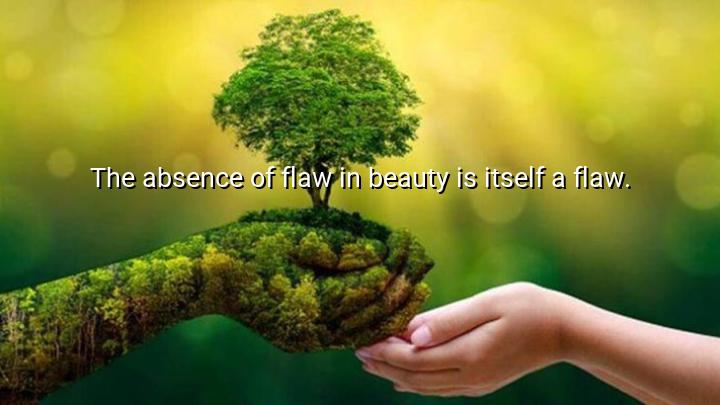




The quote “The absence of flaw in beauty is itself a flaw” by Havelock Ellis presents a thought-provoking idea: that perfection in beauty can be unnatural or even unsettling. Ellis suggests that it is the imperfections, the quirks, and the asymmetries that make beauty feel authentic and human. When something is too flawless, it risks appearing artificial or lacking in character, and therefore becomes less relatable or emotionally engaging.
Havelock Ellis was a British physician, psychologist, and social reformer active in the late 19th and early 20th centuries. He wrote extensively on human sexuality, aesthetics, and psychological development. This particular quote reflects his broader interest in the complexities of human nature and the way beauty should not be confined to rigid, idealized standards. For Ellis, flaws in beauty are not shortcomings but rather essential features that reveal depth, individuality, and truth.
The deeper meaning of this quote challenges the cultural obsession with flawless perfection, whether in art, appearance, or personality. Ellis argues that when beauty is stripped of all flaws, it can become sterile or emotionally hollow. It’s the contrast, the tension, and the unexpected elements that give beauty its richness and intrigue. In this sense, flaws serve as a mirror of humanity, making something truly captivating.
In today’s world—where media often promotes edited, idealized images—Ellis’s words are particularly resonant. They remind us that true beauty lies in authenticity and that our imperfections are not just acceptable but vital. This quote continues to inspire those who seek to redefine beauty in more inclusive, honest, and emotionally compelling terms.

AAdministratorAdministrator
Welcome, honored guests. Please leave a comment, we will respond soon