

There is no real beauty without some slight imperfection.
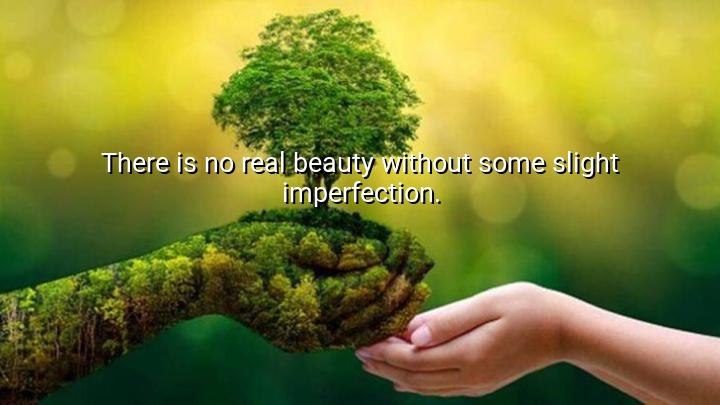




James Salter’s quote, “There is no real beauty without some slight imperfection,” speaks to the idea that true beauty is not found in flawlessness, but in the imperfections that make things unique and authentic. Salter suggests that perfection, in a traditional sense, can be artificial and unattainable, whereas imperfection adds character and depth. It is through imperfections—whether in people, art, or nature—that beauty is often revealed in its most genuine and relatable form. The imperfections create contrast, complexity, and humanity, enhancing the overall allure and making it more meaningful.
The quote challenges the conventional idea that beauty must be perfect or symmetrical to be appreciated. Instead, it suggests that real beauty lies in the authenticity of something, in the things that make it distinct and alive. For example, a piece of art might have subtle flaws that make it more captivating, or a person’s unique qualities, which may not conform to traditional standards of beauty, could be what makes them truly beautiful. Imperfection introduces a layer of realism and emotion, making beauty more complex and resonant.
Salter's perspective aligns with a more philosophical view of beauty, one that finds value in the natural, the flawed, and the evolving. This belief in the relationship between beauty and imperfection suggests a shift from superficial aesthetics to a deeper appreciation for what is authentic and genuine. Imperfections reveal the humanity of things, making them more relatable and worthy of admiration.
The origin of this quote lies in James Salter’s own writing, known for its elegant yet contemplative exploration of human nature and relationships. As an acclaimed novelist and short story writer, Salter’s work often delves into the complexities of the human experience, focusing on themes of love, loss, and the passage of time. His recognition of the importance of imperfection reflects his broader artistic vision, which embraces the beauty found in life’s unpredictable and imperfect moments.

AAdministratorAdministrator
Welcome, honored guests. Please leave a comment, we will respond soon