

It is not how much we have, but how much we enjoy, that makes happiness.
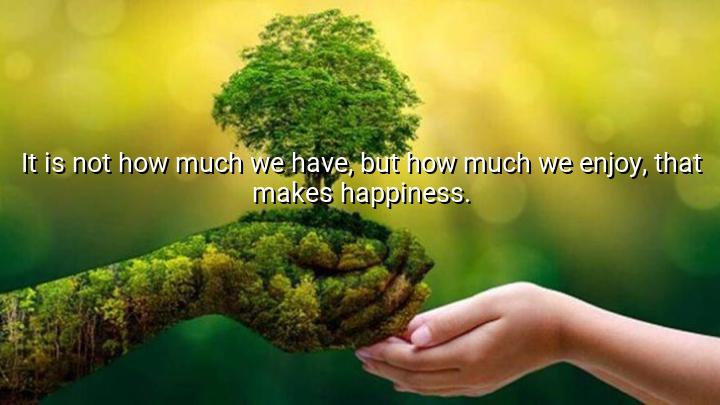




In this quote, Charles Spurgeon challenges the conventional belief that happiness is tied to the quantity of material possessions or wealth. He suggests that true happiness is not found in how much we own, but in the quality of our experiences and our ability to enjoy life. Spurgeon emphasizes that happiness comes from appreciating what we have, rather than constantly striving for more.
Spurgeon’s focus on enjoyment highlights the importance of living in the moment and finding contentment in the simple pleasures of life. It’s a reminder that even with limited resources, one can find fulfillment through gratitude and the joy of everyday experiences. The quote encourages a mindset shift from accumulation to appreciation, suggesting that happiness comes from cultivating a positive attitude toward life rather than relying on external factors.
The quote also speaks to a deeper philosophical view on happiness, often associated with minimalism and mindfulness. By stating that it is not about how much we have, Spurgeon advocates for a shift from materialism to a focus on what truly brings inner peace and joy. This aligns with many spiritual and philosophical traditions that emphasize the importance of inner satisfaction over external abundance.
Ultimately, Spurgeon’s quote suggests that the key to happiness lies in how we perceive and appreciate the world around us. It’s a call to embrace a mindset that values experience and contentment over material wealth, reinforcing that joy is found not in what we possess, but in how we experience life and its moments.

AAdministratorAdministrator
Welcome, honored guests. Please leave a comment, we will respond soon