

I used to think I was a gay man with this idea of a muse in my head, like a woman that I thought was inspirational or aspirational. But the woman was actually me.
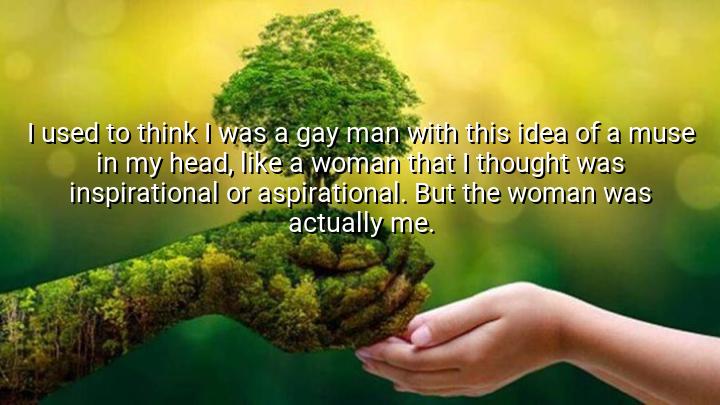




The quote "I used to think I was a gay man with this idea of a muse in my head, like a woman that I thought was inspirational or aspirational. But the woman was actually me." by Hari Nef reflects her journey of self-discovery and understanding her identity. Nef initially believed she was a gay man who admired women as sources of inspiration and aspiration, perhaps envisioning them as idealized figures to emulate. However, she comes to realize that the figure she was actually drawn to and admired was not another woman, but her own inner self—a realization of her own identity and strength.
The reference to a muse suggests that Nef had an idealized vision of femininity or inspiration that she projected onto others. Traditionally, a muse is someone who inspires creativity, and Nef initially thought that this inspiration came from an external source—someone she admired. However, through her personal journey, she discovers that she was the true source of inspiration all along, which reflects a deeper understanding of her own potential and self-worth.
By recognizing that "the woman was actually me," Nef acknowledges the shift in her perception of identity. This realization speaks to her growth and acceptance, as she recognizes that the qualities she admired in others were already present within herself. This moment of self-empowerment is not only about recognizing her own inspirational qualities but also about embracing her true self.
Originating from her experiences as a transgender woman and her path toward self-realization, this quote speaks to the broader themes of identity, self-expression, and empowerment. Nef’s words offer insight into how personal growth often involves recognizing one’s own strengths and understanding that the inspiration we seek from others can often be found within ourselves.

AAdministratorAdministrator
Welcome, honored guests. Please leave a comment, we will respond soon